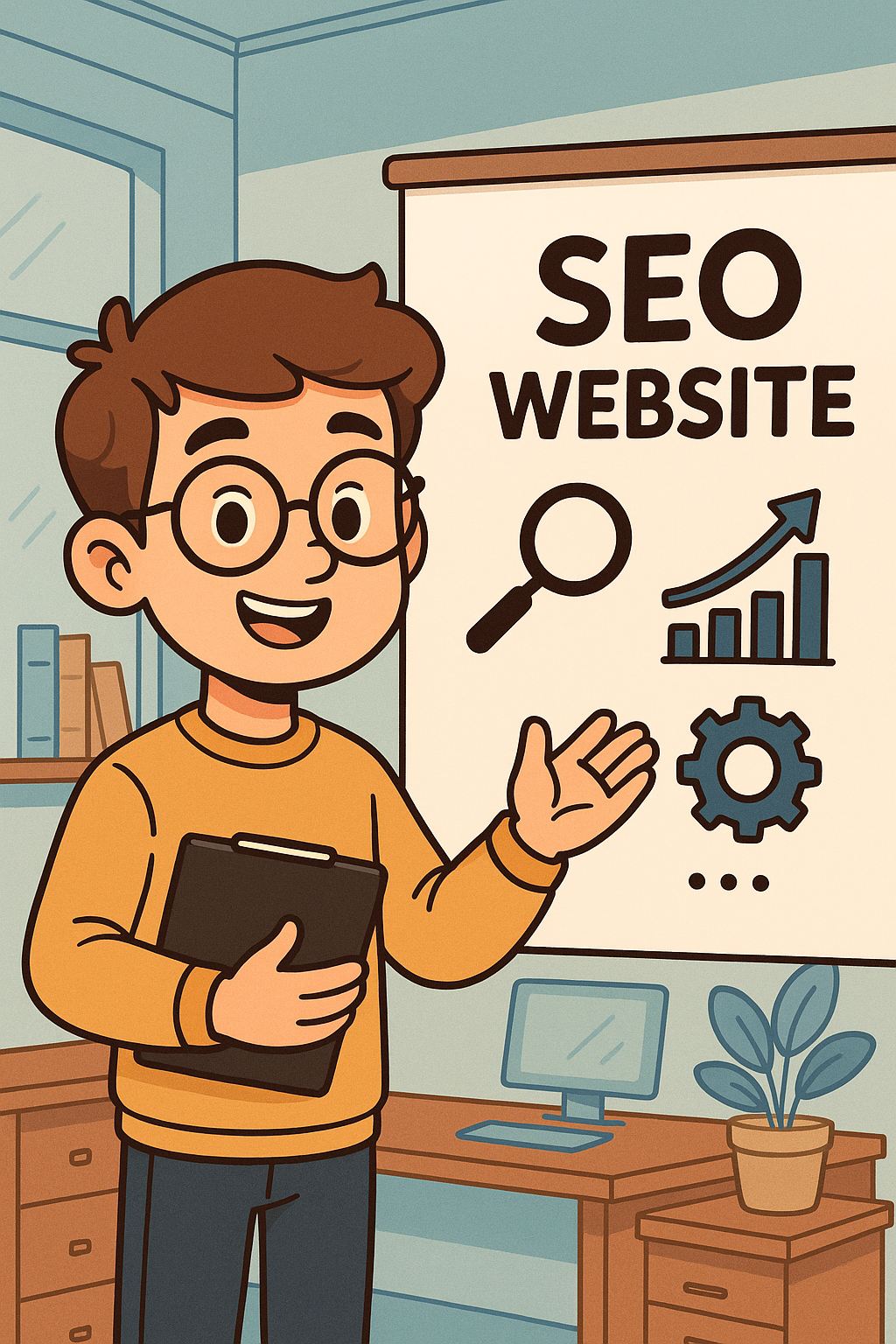

SEO Optimization: The Complete Guide to Ranking Higher and Driving Real Results
With billions of searches conducted daily, the key to a successful online business and a business that is forgotten is three letters: SEO. SEO is not just for large companies with big budgets anymore; it’s the backbone of any successful online presence. From a local bakery to a SaaS startup to a personal blog, SEO optimization is the one thing you can do to invest in your online growth.
However, what does SEO optimization truly imply in the quickly changing digital world? And how do you do it right? Let’s break it down.

What is SEO Optimization?
SEO optimization is the process of optimizing your website to get it higher in search engine results pages for relevant keywords. Search engines crawl billions of pages and determine — in milliseconds — which pages deserve the top spots when someone types in “best running shoes for flat feet” or “affordable web design services.
The aim of SEO optimization is straightforward: ensure that your page is one of them.
This includes technical enhancements, content strategy, and authority building. When done right, SEO can generate organic traffic, which is traffic that comes to you organically, without you having to pay for each click.
The Three Pillars of SEO Optimization
1. On-Page SEO
On page SEO is anything you can control on your website. This is where most beginners begin — and it’s a good place to begin.
Keyword Research is the cornerstone. You must know what your audience is looking for before you write a single word. Google Keyword Planner, Ahrefs, and SEMrush are tools that can be used to find keywords with high search volume and low competition that fit your content. The idea is not to go after the most popular terms (which are usually dominated by the giants), but to go after the right terms — the ones that you can realistically compete and convert.
Content Quality is what keeps readers — and search engines — coming back. Google’s algorithms, particularly the Helpful Content Update, now heavily reward content that genuinely solves a problem, answers a question, or delivers real value. Articles that are thin, stuffed with keywords and don’t provide anything new are being pushed further and further down the rankings. Winning is achieved through depth, originality, and clarity.
Title Tags and Meta Descriptions are still important. The clickable headline in search results is your title tag. It should contain your main keyword and be engaging enough to get the click. Your meta description isn’t a ranking factor, but it does affect click-through rates, and click-through rates are a ranking factor.
The use of Header Structure (H1, H2, H3) aids search engines in comprehending the hierarchy of your content. Organize your article with headers, and include relevant keywords where they fit naturally.
Internal Linking is the way to link your content. Linking from one article to another on your site helps search engines find more of your content and spread authority throughout your pages.
2. Technical SEO
If your website is experiencing technical issues, even the best content can go unnoticed. Technical SEO makes sure that search engines can crawl, index, and comprehend your site.
Page Speed is a proven Google ranking factor. A page that loads in two seconds is a lot better than a page that takes five seconds. Optimize images, utilize browser caching, utilize a content delivery network (CDN), and select a quick hosting service.
Mobile Optimization is a must. Google is mobile-first, which means that it looks at the mobile version of your site first. If your website is not mobile friendly or is broken, you are losing rankings and users.
Google’s user experience metrics are embedded in ranking signals as Core Web Vitals, such as Largest Contentful Paint (LCP), Interaction to Next Paint (INP), and Cumulative Layout Shift (CLS). Monitoring these via Google Search Console and addressing issues directly impacts your visibility.
Secure HTTPS Protocol is a fundamental and necessary requirement. Browsers mark sites without SSL certificates as “not secure” and they are not as well ranked.
XML Sitemaps and Robots.txt help search engines navigate your site. A sitemap tells Google what pages are available, while a robots.txt file tells Google which pages to avoid.
3. Off-Page SEO
Off page SEO is all about establishing your website’s authority and reputation on the web, mainly by means of backlinks.
Backlinks are links that connect to your website from other websites. Think of each backlink as a vote of confidence. One link from a trusted industry source is more valuable than dozens of links from low-quality directories. Here, quality is always better than quantity.
The following Link Building Strategies are effective today: Original research and data that others want to cite, Guest posting on authoritative blogs, Digital PR with journalists and influencers, and Content that is so useful that it gets links over time.
Brand Mentions and Social Signals also help build your online authority. While social media shares are not a direct ranking factor, they increase content visibility — which leads to more backlinks and more traffic.
AI’s impact on SEO and the future of the field.How AI is shaping SEO and the future of the industry.
SEO optimization is changing at a rapid pace. With AI-generated search summaries (like Google’s AI Overviews), the way users interact with search results is changing. Zero-click searches are growing, and users are getting answers without having to click on a website.
This is why it’s even more crucial to focus on long-tail, conversational keywords, optimize for featured snippets, establish real brand authority, and produce content that goes beyond the surface-level answers.
The companies that will succeed are the ones that take SEO seriously and see it as a way to be helpful.
Getting Started: Practical Next Steps
For those who are new to SEO optimization, begin here:
Audit your existing site using free tools like Google Search Console and Screaming Frog.
Research 10-20 keywords that are relevant to your business and audience.
Write one article a week on one keyword each that is high quality and in-depth.
Fix your biggest technical issues — page speed and mobile optimization first.
Contact 3 websites each month for guest posting or collaboration.
SEO is not a sprint, it’s a marathon. The results will usually take 3-6 months to show, but once they do, the traffic you receive will be consistent, compounding, and free.
Final Thoughts
SEO optimization is an art and science. It demands creativity in content, precision in technical execution and patience in authority building. However, the benefits — sustainable organic traffic, increased brand credibility, and long-term business growth — make it one of the most lucrative marketing strategies at your disposal.
Don’t wait for the right time. Optimize now, and let search engines do the rest.